Role pack
Who owns what, who covers when someone is out, and what “done” looks like — written so a stranger can step in.
Operations first · Wiregrass AL
Most shops lose the person who knew how everything worked. We put that knowledge into roles, hire/fire steps, and SOPs — then add automations, sites, and apps only where they help.
Wiregrass / Enterprise · Ozark · Dothan
Operations clarity first. Tools second.
Who owns what, who covers when someone is out, and what “done” looks like — written so a stranger can step in.
Onboarding checklists, access grants, and offboarding so keys, accounts, and know-how leave with the person — or stay with you.
Short playbooks for the jobs that break when one person is gone: quoting, receiving, scheduling, closing the day.
Automations, sites, and small apps only after the process is clear — so software supports the work instead of hiding it.
Wiregrass Inventory demo
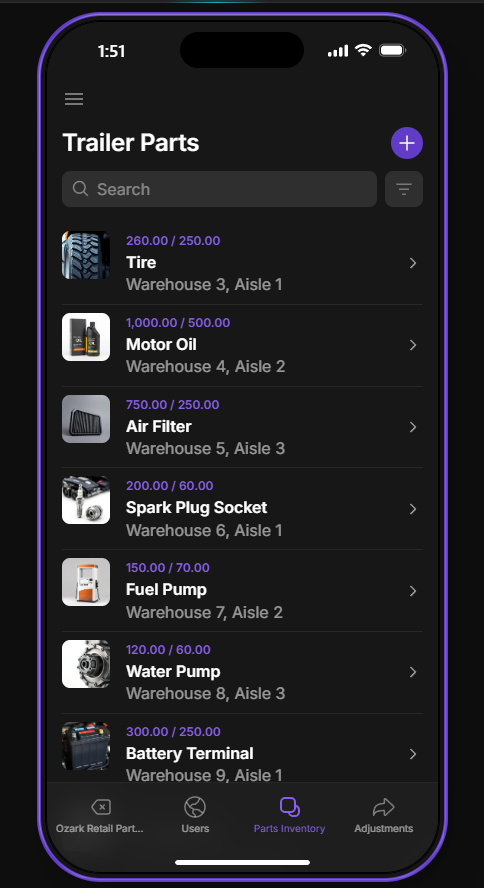
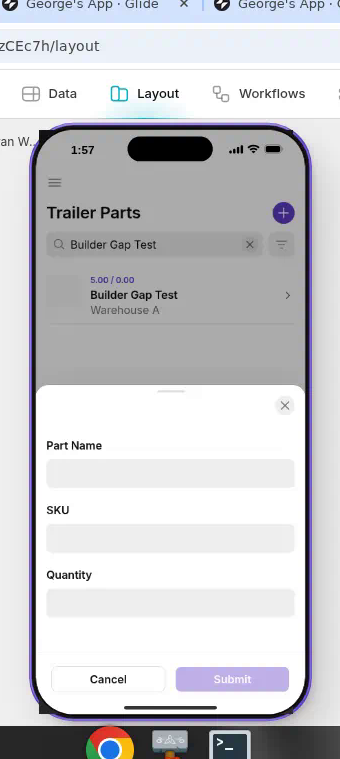
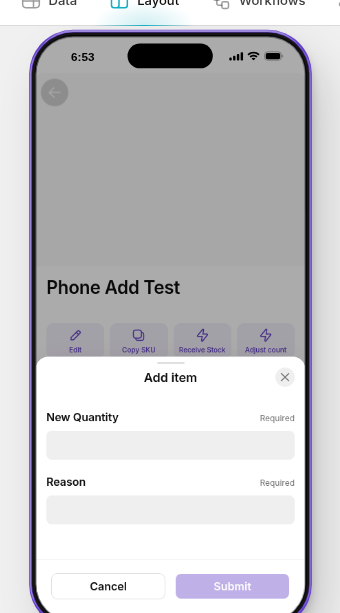
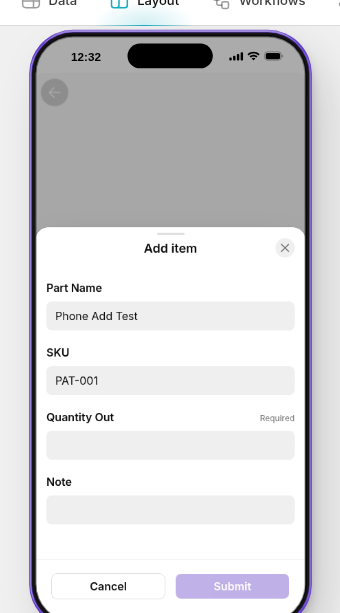
We built a phone-first inventory demo so you can see how a Glide-style app feels in hand: add a part, receive stock, adjust counts, issue out.
The product is the operating system around it — roles, SOPs, and handoffs — so the app (or any tool) still works when the person who set it up is gone.
This is a demo walkthrough — not a public login — and it does not replace a yearly physical count.
Portfolio
Kid-friendly Alabama series home — two dogs, parks and waterfalls. Live on Cloudflare Pages. Nothing for sale.
Visit It’s Paw Trendy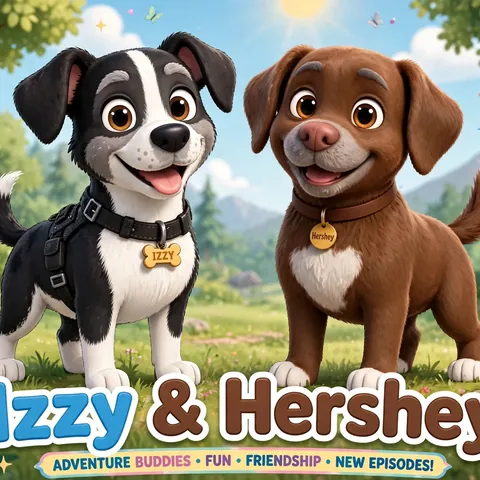
Where does work stall if one person is out? We walk the real jobs, handoffs, and tribal knowledge that keep the shop moving.
Roles, hire/fire checklist, and SOPs short enough for a busy week — on paper first, not buried in a tool.
Then a simple site, automation, or small app only where it removes friction. You keep ownership of the process.
Tell me what breaks when a key person is out. I’ll reply from grtw334@gmail.com.